


Treat Your Garden


New Products & Best Sellers


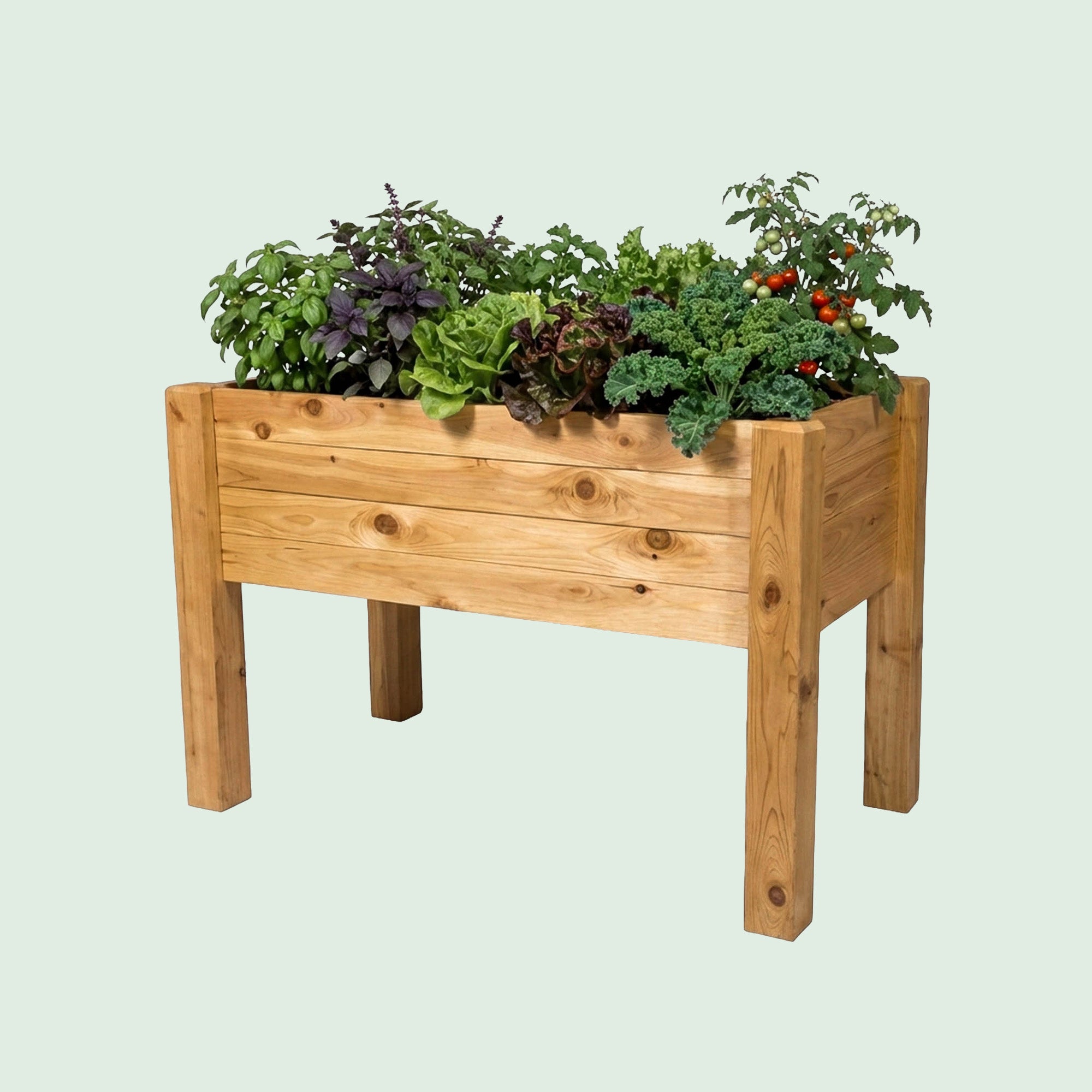
Elevated Garden Bed – 24” x 48” – 32" Tall
Choose your option


Raised Garden Bed – 48” x 48” Cedar Planter
Choose your option


Raised Garden Bed – 48” x 95” Cedar Planter
Choose your option


Planter Box – 18” x 48” x 19” Cedar Outdoor Planter
Choose your option

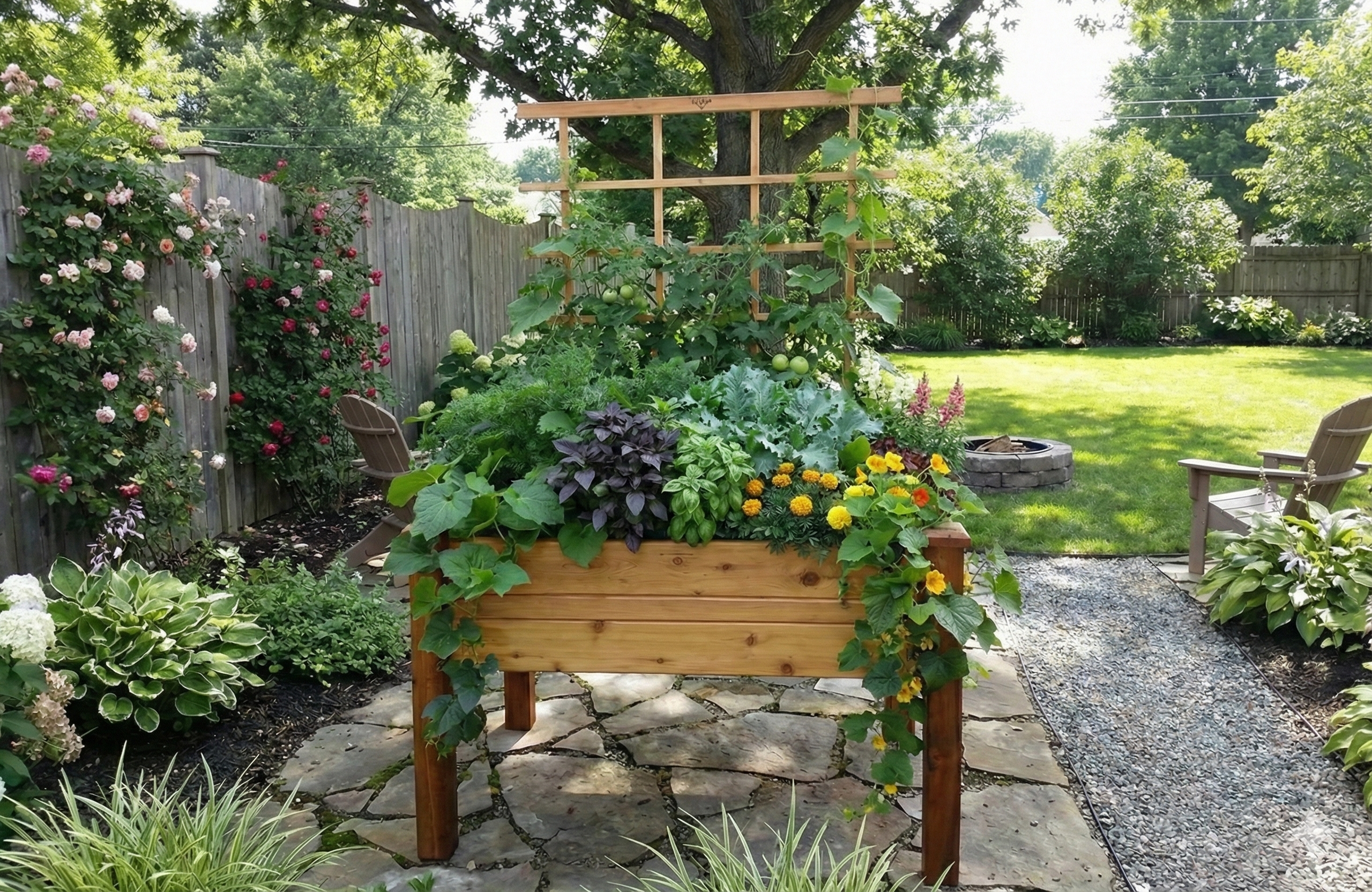


Make Gardening Accessible, Sustainable & Enjoyable
We believe everyone should have the opportunity to grow fresh food at home. Gronomics garden beds are designed to support healthier lifestyles, more comfortable gardening, and stronger connections to the food we eat.
Natural Cedar
Crafted from responsibly sourced, naturally durable cedar that resists rot and insects without the need for treated lumber.
Built for Outdoor Growing
Engineered for strength, weather resistance, and dependable use through changing seasons.
Tool-Free Assembly
Interlocking designs make setup straightforward—no power tools, screws, or complicated hardware required.

Easy to put together. Great aesthetics. Perfect height. Second one I've bought. Highly recommend.

It was very easy to assemble quickly. I love it and I look forward to enjoying my elevated garden!

I was pleasantly surprise at how well built this trellis is and more amazed as how it folded and unfolded!

Absolutely love these easy to put together planters. I now have 7!

I am in wheelchair and with this raised garden bed I now have a beautiful garden on my deck that I can take care of and watch it grow everyday.

As usual, solid, carefully crafted, and easy to assemble. A quality product.
Customer Gardens We're Loving
See how Gronomics customers use cedar raised beds and elevated planters to grow vegetables, herbs, and flowers in backyards, on decks, and across small outdoor spaces.

Coming SoonRaised Garden Bed – 48” x 95” Cedar Planter
Shop nowComing Soon


Discover more in our FAQs
What are Gronomics raised and elevated garden beds made from?
What are Gronomics raised and elevated garden beds made from?
Gronomics raised garden beds, elevated garden beds, and planter boxes are made from 100% natural cedar. Cedar is well suited to outdoor gardening because it is naturally durable and resistant to rot and insects. It is also an excellent choice for vegetable, herb, and flower gardens because the wood does not require pressure treatment.
Do Gronomics garden beds require tools for assembly?
Do Gronomics garden beds require tools for assembly?
No. Gronomics garden bed kits use precision-cut, interlocking components designed for tool-free assembly. Your bed arrives boxed with instructions, and the pieces slide into place without power tools, screws, or complicated hardware.
What is the difference between a raised garden bed and an elevated garden bed?
What is the difference between a raised garden bed and an elevated garden bed?
A raised garden bed sits directly on the ground and provides generous soil depth for vegetables, herbs, flowers, and deep-rooted plants. An elevated garden bed stands on legs, bringing the planting area to a more comfortable height and reducing the need to bend or kneel. Elevated beds are also a practical option for patios, decks, and compact spaces.
What can I grow in a cedar garden bed?
What can I grow in a cedar garden bed?
You can grow many vegetables, herbs, fruits, and flowers in a Gronomics garden bed. Popular choices include tomatoes, peppers, lettuce, carrots, strawberries, basil, and pollinator-friendly flowers. Choose a bed depth and size that suit the root systems and spacing needs of the plants you want to grow.
Learn How to Grow with Raised Garden Beds

Sustainable Gardening: How Raised Garden Beds Help You Grow More While Using Less
Sustainable gardening is more than a trend—it's a smarter way to grow healthier plants while reducing waste, conserving resources, and creating a thriving outdoor space. Whether you're a first-time gardener or an experienced grower, making environmentally conscious choices can improve your harvest and benefit the planet. At Gronomics, we believe sustainability starts with the garden itself. Choosing durable materials, improving soil health, and using water wisely all contribute to a productive garden that lasts for years. What Is Sustainable Gardening? Sustainable gardening focuses on growing plants in ways that work with nature instead of against it. The goal is to reduce environmental impact while creating healthy, productive gardens that require fewer resources over time. Key principles include: Building healthy, living soil Conserving water Reducing chemical use Supporting pollinators and beneficial insects Using durable, long-lasting garden materials Composting organic waste Small improvements in each of these areas can make a significant difference throughout the growing season. Why Raised Garden Beds Support Sustainable Gardening Raised garden beds naturally encourage many sustainable gardening practices. Better Soil, Better Plants Instead of trying to improve poor native soil, raised beds allow you to create the ideal growing environment from the beginning. Rich, organic soil promotes stronger root systems, healthier plants, and higher yields while reducing the need for synthetic fertilizers. Over time, adding compost and organic matter improves soil biology, helping beneficial microorganisms thrive. More Efficient Water Use Healthy soil in raised beds absorbs moisture more effectively and drains excess water efficiently. Pairing raised beds with drip irrigation or soaker hoses delivers water directly to plant roots, minimizing evaporation and runoff. Adding mulch further reduces water loss while helping suppress weeds naturally. Fewer Weeds, Less Maintenance Raised beds provide a defined growing space that limits weed intrusion. Since the soil is cultivated intentionally, gardeners spend less time pulling weeds and less money on chemical herbicides. Less maintenance means more time enjoying your garden. Choose Long-Lasting Garden Materials One of the most overlooked aspects of sustainability is durability. Garden beds that last for decades create far less waste than products requiring frequent replacement. Investing in quality materials reduces long-term environmental impact while providing reliable performance season after season. When selecting raised beds, look for responsibly sourced materials that resist rot and weather naturally. Feed Your Garden Naturally Healthy gardens begin with healthy soil. Instead of relying on synthetic fertilizers, sustainable gardeners improve soil by adding: Compost Worm castings Leaf mold Aged manure Organic mulch These natural amendments slowly release nutrients while improving soil structure and water retention. Composting kitchen scraps and yard waste also keeps valuable organic material out of landfills and returns nutrients back to the garden. Plant for Pollinators A sustainable garden supports more than vegetables. Adding flowering herbs and native plants attracts bees, butterflies, hummingbirds, and other beneficial pollinators that improve garden productivity. Excellent pollinator-friendly plants include: Lavender Coneflowers Bee balm Borage Nasturtiums Dill Chives These plants also attract beneficial insects that help naturally manage garden pests. Reduce Waste Throughout the Growing Season Simple habits can make your garden even more sustainable. Consider: Collecting rainwater for irrigation Reusing plant supports and containers Saving seeds from healthy plants Rotating crops each season Composting spent plants and leaves Avoiding single-use plastic garden products whenever possible These practices reduce waste while lowering gardening costs over time. Sustainable Gardening Is an Investment That Pays Off Sustainability isn't about perfection—it's about making better choices season after season. Raised garden beds, healthy soil, efficient watering, composting, and thoughtful planting all work together to create a productive garden that requires fewer resources while producing abundant harvests. Whether you're growing vegetables for your family or creating a backyard oasis, sustainable gardening allows you to enjoy healthier plants, richer soil, and a garden that continues to improve year after year. Start with quality materials, nurture your soil, and let nature do the rest. Your garden—and future generations—will benefit.

Spring Garden Bed Setup Checklist: How to Prepare for Planting Season
Spring is one of the most exciting times of year for gardeners. As temperatures warm and the soil begins to thaw, it’s the perfect time to prepare your garden beds for a productive growing season. A little preparation early in the season can make a big difference in plant health, yields, and overall gardening success. Whether you're using traditional raised beds or elevated planters, this simple checklist will help you get your garden ready for spring. 1. Inspect Your Garden Beds Start by taking a close look at your garden beds after winter. Freezing temperatures, snow, and moisture can sometimes cause minor wear. Check for: Loose boards or joints Warping or cracking Signs of rot or damage Cedar beds are a great choice because cedar naturally resists rot and pests, helping your beds last for many seasons. See Why Cedar Is the Best Wood for Raised Garden Beds 2. Clean Out Old Plant Debris Remove any leftover plant material from last season. Old stems, leaves, and roots can sometimes harbor pests or plant diseases. Clearing debris helps: Improve airflow in the soil Reduce the risk of plant diseases Create space for new growth Add healthy plant material to your compost pile if possible. 3. Refresh or Replace Your Soil Healthy soil is the foundation of a successful garden. Over time, nutrients in your soil are used up by plants. In early spring: Add fresh compost Mix in organic soil amendments Top off beds if soil levels dropped over winter A good rule of thumb is to add 1–2 inches of compost to your beds each spring. 4. Check Soil Moisture and Drainage Raised and elevated garden beds generally drain better than traditional gardens, but it's still important to check moisture levels. If soil feels: Too dry → add compost or organic matter Too wet or compacted → gently loosen the top layer Good drainage encourages healthy root development and prevents plant stress. 5. Plan Your Garden Layout Before planting, take time to map out what you want to grow. Planning helps maximize space and improve plant health. Consider: Sunlight requirements Plant spacing Companion planting combinations For example: Tomatoes grow well near basil Lettuce and spinach thrive in cooler spring weather 6. Start Planting Cool-Season Crops Many vegetables thrive in early spring temperatures. These crops can be planted before summer heat arrives. Popular spring vegetables include: Lettuce Spinach Kale Radishes Peas Carrots Planting early helps you extend your growing season and enjoy fresh harvests sooner. 7. Install or Assemble Garden Beds If you're expanding your garden this year, spring is the perfect time to install new beds. Many modern garden beds are designed for quick, tool-free assembly, making it easy to set up a productive garden space in minutes. Cedar beds are also a popular choice because they are non-toxic, naturally rot-resistant, and safe for growing food. Once your beds are assembled, simply fill them with quality soil and you're ready to plant. 8. Add Mulch to Protect Your Soil Mulch helps retain moisture, regulate soil temperature, and prevent weeds. Common mulch options include: Straw Shredded leaves Wood chips Grass clippings A light layer of mulch around plants can help your garden thrive throughout the season. Get Ready for a Successful Gardening Season Preparing your garden beds in early spring sets the stage for a healthy and productive garden. By inspecting your beds, refreshing your soil, and planting the right crops, you’ll be well on your way to enjoying fresh vegetables all season long. Whether you're a beginner gardener or a seasoned grower, raised and elevated garden beds make gardening easier, more organized, and more enjoyable. To explore durable, tool-free assembly cedar garden beds, visit Gronomics and see how simple it can be to start your garden this spring.

Tool-Free Garden Beds: Are They Strong Enough?
Tool-Free Garden Beds: Are They Strong Enough? If you’ve been researching raised garden beds, you’ve probably noticed more tool-free assembly options on the market. They promise fast setup and zero hardware — but the big question remains: Are tool-free garden beds actually strong enough? Let’s break it down. What Makes a Garden Bed “Strong”? Strength in a raised garden bed comes down to four main factors: Material quality Joinery design Board thickness Structural engineering Hardware (screws, bolts, brackets) is just one way to create strength — but it’s not the only way. The Soil Pressure Test A properly filled raised garden bed holds hundreds of pounds of soil. When watered, that weight increases significantly. The real stress comes from: Outward soil pressure against side walls Seasonal freeze/thaw cycles Expansion from moisture A well-designed tool-free bed accounts for these forces with interlocking joinery and reinforced corner posts — not just screws holding boards together. Why Hardware Isn’t Always Stronger It may seem counterintuitive, but traditional screw-based beds can actually loosen over time due to: Wood expansion and contraction Corrosion of fasteners Stripped screw holes Warping under pressure Tool-free systems that use precision-cut interlocking boards often distribute weight more evenly across posts and panels, reducing stress points. The Cedar Advantage Material matters just as much as construction. High-quality cedar is: Naturally rot resistant Resistant to insects Structurally stable Less prone to cracking than treated lumber Because cedar holds up well in outdoor conditions, it pairs especially well with interlocking designs. When Tool-Free Beds Might Not Be Ideal Tool-free raised beds are excellent for standard backyard gardening. However, extremely long spans without center support or ultra-thin materials may compromise rigidity — so design quality is key. Always look for: Thick side boards Solid corner posts Thoughtful reinforcement on longer beds So… Are They Strong Enough? Yes — when engineered properly. A well-built, tool-free raised garden bed made from durable cedar and designed with structural integrity in mind can easily handle the weight of soil, plants, and years of seasonal use. Plus, you get the added benefit of: Faster setup No tools required No loose hardware over time Easy seasonal disassembly if needed The Bottom Line Tool-free doesn’t mean flimsy. It means smart design. If you’re choosing a raised garden bed, focus less on whether it uses screws — and more on the quality of materials, joinery, and overall construction. A properly designed tool-free cedar bed can be just as strong — and often more convenient — than traditional builds. Ready to grow without the hassle? Your back (and toolbox) will thank you. 🌱